Stamped Concrete Repair vs. Replacement for Commercial Properties
People seeking stamped concrete repair vs. replacement for commercial properties can rely on local contractors to assess damage, offer cost-effective solutions, and restore their surfaces efficiently.
If you’re exploring options for maintaining or improving the concrete surfaces on a commercial property, you’ve come to the right place. Many property owners in the area are considering whether stamped concrete repair or replacement offers the best solution for their needs, especially when it comes to enhancing curb appeal and ensuring durability. Understanding the differences between repairing existing stamped concrete and opting for a full replacement can help make informed decisions that align with long-term property goals. This page provides practical insights into these choices, highlighting how local contractors skilled in stamped concrete repair can often restore and refresh surfaces efficiently and effectively.
Property owners may find that assessing whether to repair or replace stamped concrete depends on factors such as the extent of damage, budget considerations, and desired aesthetics. Local service providers who specialize in stamped concrete repair are equipped to evaluate existing surfaces and recommend solutions that preserve the original design while addressing issues like cracking or wear. Continuing to read can help clarify the benefits and limitations of each approach, empowering property owners to select the most suitable option for maintaining a professional, attractive appearance for their commercial spaces.
- Stamped concrete repair services are suitable when existing decorative surfaces show signs of cracking, spalling, or surface wear that can be restored without complete removal, and local contractors can assess whether repairs will preserve the aesthetic appeal. When structural integrity is compromised or extensive damage is present, local service providers may recommend stamped concrete replacement for commercial properties to ensure durability and safety. For properties seeking to maintain a decorative look while addressing minor surface issues, local pros often suggest targeted repairs that extend the lifespan of the existing stamped concrete. If the existing stamped concrete has become outdated or heavily damaged, local contractors can advise on whether repair or replacement offers the best long-term solution. Overall, local service providers evaluate the condition of stamped concrete to determine if repairs can effectively address issues or if replacement is necessary for continued performance.
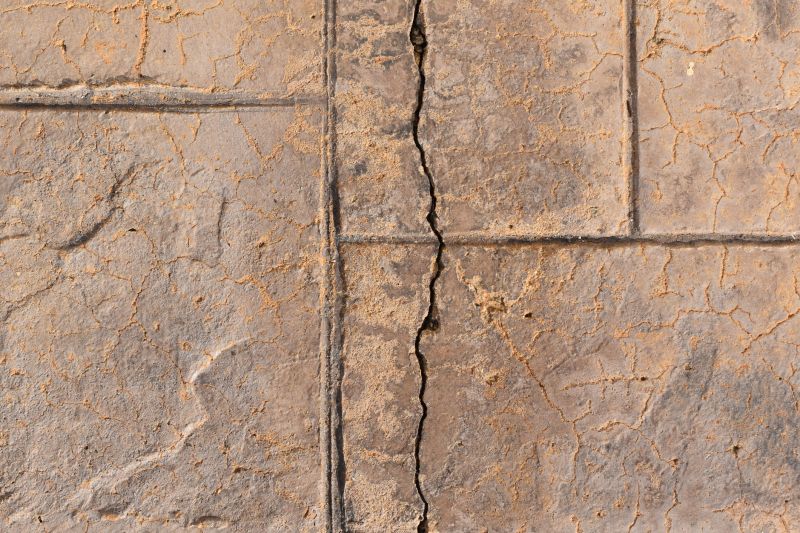
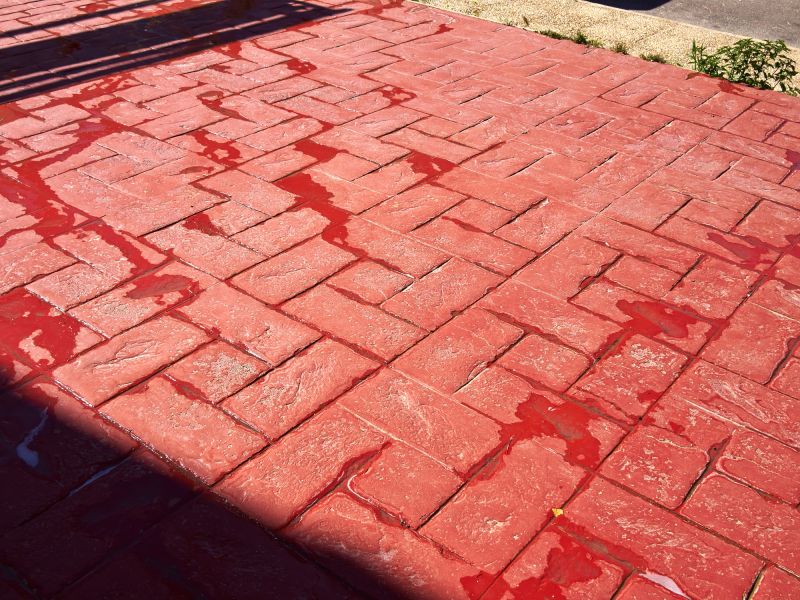
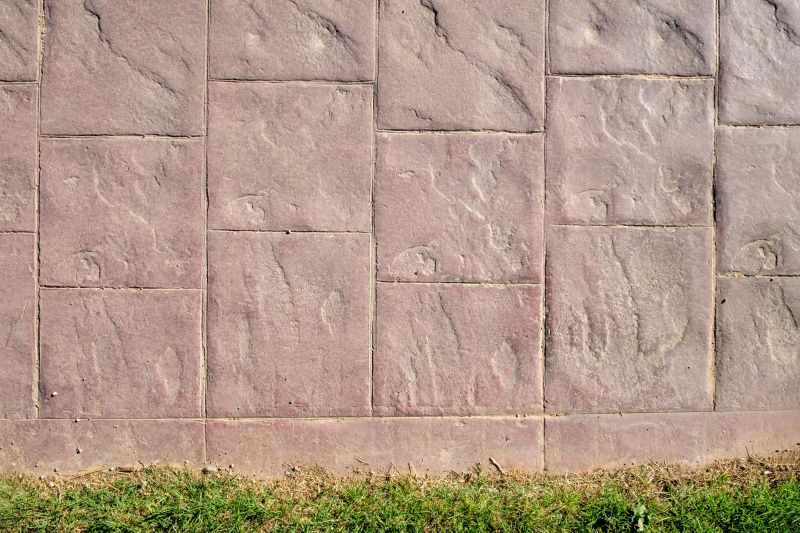
When people search for stamped concrete repair vs. replacement for commercial properties, they are usually trying to determine the most practical and cost-effective way to address issues with their existing stamped concrete surfaces. Commercial property owners often have large, visible areas such as walkways, patios, or entryways that feature stamped concrete designs. When these surfaces develop damage like cracks, spalling, or uneven patches, property managers want to understand whether repairing the existing stamped concrete or replacing it entirely makes more sense. This decision is driven by factors such as the extent of the damage, the age of the concrete, and the overall aesthetic goals for the property. Local contractors specializing in stamped concrete repair can evaluate these conditions and recommend the best approach based on the specific situation.
The types of problems that relate to stamped concrete repair vs. replacement for commercial properties often involve surface deterioration caused by heavy foot traffic, weather exposure, or subpar installation. Cracks, chips, or surface scaling may be minor and localized, making repair a feasible solution that preserves the existing design and minimizes disruption. Conversely, if the damage is widespread, or if the concrete has become severely compromised, replacement might be necessary to restore safety and appearance. Property owners also consider future plans, such as renovations or upgrades, when evaluating whether to invest in repairs or opt for a complete replacement. Local service providers can help assess the condition of the stamped concrete and advise on whether a repair will extend the surface’s lifespan or if a full replacement better aligns with long-term goals.
Commercial properties that typically come into focus for stamped concrete repair vs. replacement include office complexes, retail centers, restaurants, and industrial facilities. These properties often feature stamped concrete for aesthetic appeal and durability, making the condition of these surfaces an important aspect of overall property maintenance. Repairing stamped concrete is generally suitable for areas with minor to moderate damage, allowing property owners to maintain their visual appeal without significant downtime or expense. In cases where the concrete has suffered extensive damage or where the design is outdated, replacement may be recommended to achieve a fresh, uniform appearance. Local contractors experienced in stamped concrete work can help property managers weigh the benefits of each option and coordinate the work efficiently, ensuring the property’s exterior remains attractive and functional.
Understanding the differences between stamped concrete repair vs. replacement for commercial properties helps property owners make informed decisions that align with their budget, timeline, and aesthetic expectations. Repair options are often less disruptive and more cost-effective for minor issues, allowing properties to maintain their appearance while addressing specific problem areas. Replacement, on the other hand, provides an opportunity to upgrade the design or address extensive damage comprehensively. Local service providers who specialize in stamped concrete can evaluate the condition of existing surfaces, suggest appropriate solutions, and execute repairs or replacements with minimal impact on daily operations. Connecting with experienced contractors ensures that commercial properties receive tailored solutions that support their long-term maintenance and visual appeal.
Concrete resurfacing projects involve surface preparation and finishing techniques similar to stamped concrete repair, requiring skilled craftsmanship and precise planning to restore or enhance existing surfaces.
Pavement repair and patching tasks share tools and planning strategies with stamped concrete repair, focusing on fixing cracks, holes, and surface damage in commercial settings.
Decorative overlay installations involve applying textured or stamped finishes over existing concrete, aligning closely with the skills used in stamped concrete repair and aesthetic enhancement.
Industrial concrete flooring projects often require surface preparation, crack repair, and finishing techniques comparable to those used in stamped concrete repair for commercial properties.
Concrete sealing and protection services involve surface preparation and application methods similar to stamped concrete repair, aimed at prolonging surface durability and appearance.
Surface leveling and grinding are essential for preparing surfaces prior to stamped concrete repair or replacement, ensuring a smooth, even base for subsequent work by local contractors.
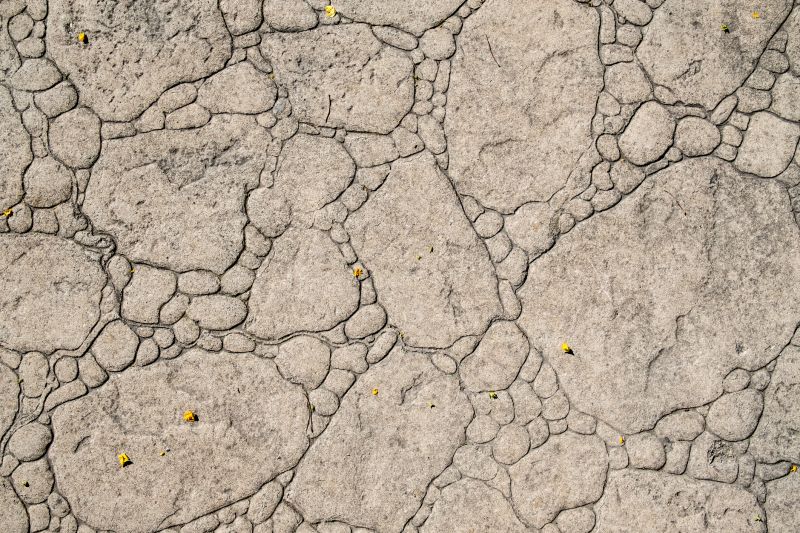
When comparing service providers for stamped concrete repair versus replacement on commercial properties, it is essential to evaluate their experience with similar projects. Contractors who have handled repairs or replacements in commercial settings are more likely to understand the unique demands and structural considerations involved. Asking about their past work with stamped concrete in commercial environments can provide insight into their familiarity with the specific techniques and materials necessary to achieve durable, visually appealing results. An experienced contractor can also help determine whether repair options are sufficient or if a full replacement might be more appropriate, based on the condition of the existing concrete.
Clear, written expectations are crucial when selecting a contractor for stamped concrete repair services. A reputable service provider should be able to outline the scope of work, the repair or replacement process, and the materials that will be used. This transparency helps ensure that both parties have a shared understanding of the project’s goals and deliverables. It is also wise to request detailed descriptions of the work involved, including any preparation, repair methods, and finishing touches, to avoid misunderstandings and to facilitate informed decision-making about whether repair or replacement best meets the needs of the property.
Reputable references and strong communication are key indicators of a dependable contractor. When considering local service providers, ask for references from previous clients who had similar stamped concrete projects completed, especially in commercial settings. Speaking with past clients can reveal insights into the contractor’s reliability, quality of work, and professionalism. Additionally, good communication-such as timely responses to inquiries, clarity in explaining options, and openness to questions-helps ensure that expectations are managed effectively throughout the project. This level of engagement can be particularly valuable when weighing the benefits of stamped concrete repair versus replacement for commercial properties, as it supports making an informed, confident decision.
Property owners often search for stamped concrete repair vs. replacement for commercial properties when they are planning practical projects around their homes and businesses. Local pros provide Stamped Concrete Repair services for everyday jobs and straightforward project options.
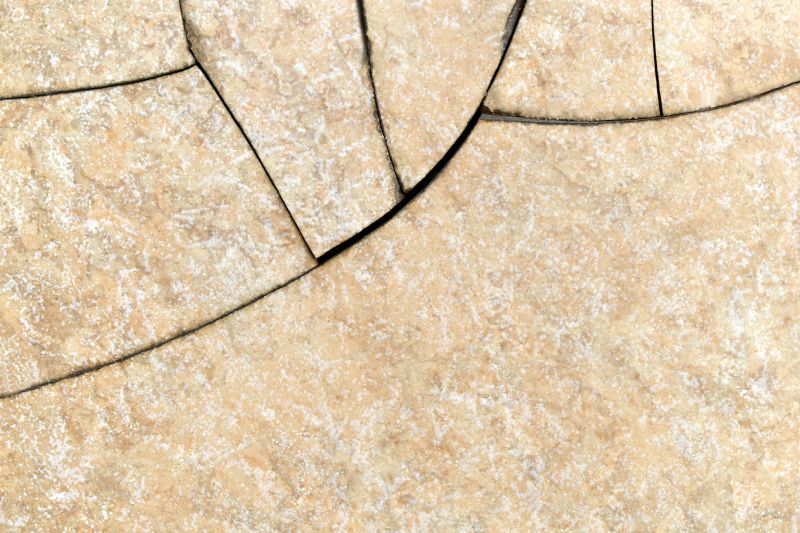
When commercial property owners notice cracks, surface wear, or other damage on their stamped concrete surfaces, they often consider whether repair or full replacement is the best option. Simple issues like minor chipping or surface discoloration can sometimes be addressed through stamped concrete repair services offered by local contractors, which can restore the appearance without the need for costly removal and new installation. Property owners may look into these services to maintain a professional look while avoiding more disruptive and expensive projects, especially when the structural integrity of the concrete remains solid.
In more extensive cases where damage is widespread or the concrete has significantly deteriorated, replacement might seem like the only solution. However, local service providers also offer stamped concrete repair options that can be a practical alternative to full replacement, saving time and money while improving the surface’s appearance. Property owners often seek out these repair services to extend the lifespan of their existing stamped concrete, especially when repairs can effectively address issues like surface cracking or fading without the need for complete removal and new installation.
What are the main differences between stamped concrete repair and replacement for commercial properties? Stamped concrete repair involves restoring or fixing existing stamped concrete surfaces, while replacement means removing the old surface and installing a new one. Local contractors can assess which option best suits the property's condition and aesthetic goals.
When should a commercial property consider stamped concrete repair instead of replacement? Repair is typically suitable when the existing stamped concrete has minor damage, such as cracks or surface wear, and retains its structural integrity. Service providers can evaluate whether repairs will restore the appearance and function effectively.
Can stamped concrete repair help extend the lifespan of a commercial property's stamped concrete surfaces? Yes, proper repairs can address damage early, preventing further deterioration and prolonging the surface's usability. Experienced contractors can recommend appropriate repair techniques to maximize longevity.
Are there advantages to choosing repair over replacement for stamped concrete in commercial settings? Repair often involves less disruption and can be more cost-effective while maintaining the existing aesthetic. Local service providers can advise if repair preserves the desired look without the need for full replacement.
How do local contractors determine whether repair or replacement is the best option for stamped concrete surfaces? They evaluate the extent of damage, the age of the concrete, and the overall condition of the surface. Professionals can then recommend the most practical and durable solution based on the property's specific needs.
Assessing damage for repair or replacement - property owners can evaluate whether cracks or surface wear are suitable for stamped concrete repair services provided by local contractors or if full replacement is necessary.
Choosing repair techniques for aesthetic updates - using stamped concrete repair allows for restoring decorative patterns and colors without removing the entire surface, ideal for maintaining visual appeal.
Planning for surface longevity and durability - property owners might consider repair options to extend the life of existing stamped concrete surfaces before opting for complete replacement.
Comparing costs and project scope - understanding when repair is a practical alternative to replacement can help property owners make informed decisions with local service providers about project scope.
If you are thinking about stamped concrete repair vs. replacement for commercial properties for a property, this guide is meant to help you understand this topic, the typical project types, and how different options might fit your plans.
When you are ready, you can use the quote form on this page to share a few details about your project. From there, local pros can review the basics and follow up with options that match what you have in mind.